Living in Florida means embracing a lifestyle of sun, surf, and scenery—but it also means an endless battle against the state’s most persistent indoor invader: sand. Florida sand is not just ordinary dirt; it is often composed of abrasive quartz or shell fragments that act like sandpaper on your flooring.
In 2026, as homeowners move away from expensive, chemical-heavy coatings, the demand for natural, home-brewed solutions has surged. Learning how to Make A DIY Florida Sand-Repellent Floor Spray At Home is the ultimate “life hack” for anyone tired of hearing that crunch underfoot just ten minutes after mopping.
This guide provides a scientifically-backed formula that doesn’t just clean—it creates a microscopic “slip zone” that prevents sand from bonding to your floors.
I’ve seen many residents struggle with “tacky” floors that seem to attract sand like a magnet. This is often caused by residue from standard store-bought cleaners.
By switching to a custom spray, you control the surface tension of your flooring. While you are optimizing your home maintenance, you might also want to check the house cleaning cost in Florida for a professional deep-clean reset.
However, for daily management, this DIY repellent is your best line of defense. Below is the 2026 blueprint for sand-free floors.
The Science of Sand Repellency
To Make A DIY Florida Sand-Repellent Floor Spray At Home, you have to understand why sand sticks in the first place. In Florida’s high humidity, moisture creates a thin, invisible film on your floors. Sand particles, which are relatively heavy, land on this film and become “stuck.”
A repellent spray works by using surfactants (to break surface tension) and slip agents (like glycerin or specific plant-based conditioners) to create a finish that sand cannot grip. When the sand can’t stick, it stays “loose,” allowing it to be easily captured by a robot vacuum or a quick sweep.
The 2026 Master Formula: Ingredients
This recipe is optimized for the Florida climate. It balances cleaning power with a non-sticky protective finish.
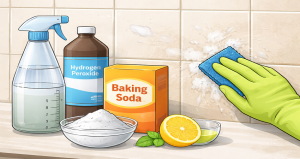
- 16 oz Distilled Water: Using distilled water prevents hard water spots (common in Florida) from forming.
- 4 oz White Distilled Vinegar: Acts as a natural degreaser and sanitizes the surface.
- 1 tsp Vegetable Glycerin: This is the secret “repellent” ingredient. It provides a microscopic, non-greasy barrier.
- 2 Drops Castile Soap: Just enough to break surface tension without creating suds.
- 10 Drops Essential Oil: Lemon or Eucalyptus is recommended to keep the home smelling fresh in the humidity.
2026 DIY Spray Efficiency Table
| Ingredient | Mechanical Role | Why It Works in FL |
|---|---|---|
| Vegetable Glycerin | Slip Agent | Reduces friction so sand slides off instead of sticking. |
| White Vinegar | Acidic Cleaner | Cuts through salt-air residue and humidity grime. |
| Distilled Water | Carrier Liquid | Eliminates the mineral streaks found in FL tap water. |
| Lemon Oil | Fragrance/Disinfectant | Neutralizes the musty “damp” smell of coastal air. |
Step-by-Step Preparation Protocol
Following the correct order of operations is vital to ensure the glycerin doesn’t separate.
- Step 1: Pour the distilled water into a clean, 24 oz spray bottle.
- Step 2: Add the vinegar. The acidity helps stabilize the solution.
- Step 3: Add the Castile soap and essential oils.
- Step 4: Finally, add the vegetable glycerin. Shake vigorously for 60 seconds.
Once you Make A DIY Florida Sand-Repellent Floor Spray At Home, you’ll notice it has a slightly “silkier” feel than water. This is exactly what you want.
How to Apply for Maximum Repellency?
To get the best results, you must apply this to a “baseline clean” floor. If you spray it over existing sand, you’re just making “sand-soup.”
- Vacuum First: Use a high-suction vacuum to remove all loose particles.
- Mist, Don’t Soak: Lightly mist a 4×4 foot area.
- The Microfiber Method: Use a clean microfiber flat mop. Move in a “Z” pattern. The microfiber will pick up the last traces of dust, while the spray leaves the repellent barrier behind.
- Buff Dry: In Florida’s humidity, air-drying can take too long. A quick once-over with a dry microfiber pad will “set” the glycerin barrier.
For more cleaning hacks, check out our guide on weekly Florida house cleaning.
Floor Compatibility Check
Before you Make A DIY Florida Sand-Repellent Floor Spray At Home, ensure it is safe for your specific material:
- Tile and Luxury Vinyl Plank (LVP): This formula is 100% safe and highly effective.
- Sealed Hardwood: Safe, but use minimal spray to avoid moisture seep.
- Marble/Natural Stone: WARNING! Do not use vinegar on marble. For stone, replace the vinegar with 1/4 cup of Isopropyl Alcohol to maintain the “flash-dry” effect without etching the stone. For more stone tips, see cleaning tiles with hard water.
Pro Tip: Place a high-quality “coir” (coconut fiber) mat at every entrance. This removes the first 80% of sand before it even touches your floors. Use your DIY spray in the high-traffic entryway to catch the remaining 20%.
The Cost-Benefit of DIY vs. Store-Bought
The Average Post-Construction Cleaning Cost in Florida 2026 for a 2,000 sq. ft. home can be significant because of the labor involved in sand removal. By using this DIY spray, you are essentially performing “maintenance cleaning” that prevents the need for heavy-duty professional interventions.
A single bottle of this DIY spray costs roughly $0.45 to make, compared to $8.00 – $12.00 for a “specialty” floor repellent from a big-box store.
Maintaining the “Slip Zone”
The repellent barrier usually lasts 3 to 5 days depending on foot traffic. In homes with pets or children, you may need to reapply in the entryway every 48 hours. If you notice the floor feels “sticky,” it means you used too much glycerin or soap. Simply mop once with plain distilled water to reset the surface, then reapply a lighter mist.
For those in particularly humid zones, like Miami or the Keys, consider the best way to clean in Florida weather to manage moisture levels.
Frequently Asked Questions (FAQ)
1. Will this spray make my floors slippery?
If used correctly (misted and buffed), it should not be slippery. It creates a “smooth” feel, but not a greasy one. Always test on a small area first to find the right balance for your floor type.
2. Can I use fabric softener instead of glycerin?
Some people do, but fabric softeners often contain waxes that build up over time and create a “cloudy” look on floors. Pure vegetable glycerin is a cleaner, more stable option for 2026 standards.
3. Is this safe for my dog’s paws?
Yes. The ingredients—vinegar, water, and vegetable glycerin—are non-toxic. However, wait for the floor to dry before letting pets back into the area to prevent them from slipping.
4. How do I remove the “repellent” layer if I want to deep clean?
A simple mixture of hot water and a dash of dish soap will easily strip the glycerin layer when you’re ready for a heavy-duty scrub.
5. Why is distilled water so important in Florida?
Florida’s tap water is notoriously “hard,” filled with minerals. If you use tap water in your spray, those minerals will actually act as a “glue” for sand particles, defeating the purpose of the spray.
Conclusion
Mastering the ability to Make A DIY Florida Sand-Repellent Floor Spray At Home is a game-changer for Florida living. It shifts your routine from “reacting to sand” to “preventing sand adhesion.”
In 2026, home maintenance is about being smarter, not working harder. By using basic chemistry and natural ingredients, you can keep your home feeling like a sanctuary instead of a sandcastle.
Remember, the best defense is a multi-layered approach: mats at the door, shoes off in the house, and your DIY repellent spray on the floors.
If you find that years of sand have already damaged your floor’s finish, you might consider the deep cleaning costs in Tampa or Orlando to get a professional floor buff and seal. Happy cleaning, and enjoy those sand-free floors!
Your Weekend Project: Mix a batch of this spray today and try it on just your entryway. You’ll be amazed at how much easier it is to sweep up the sand on Monday morning!